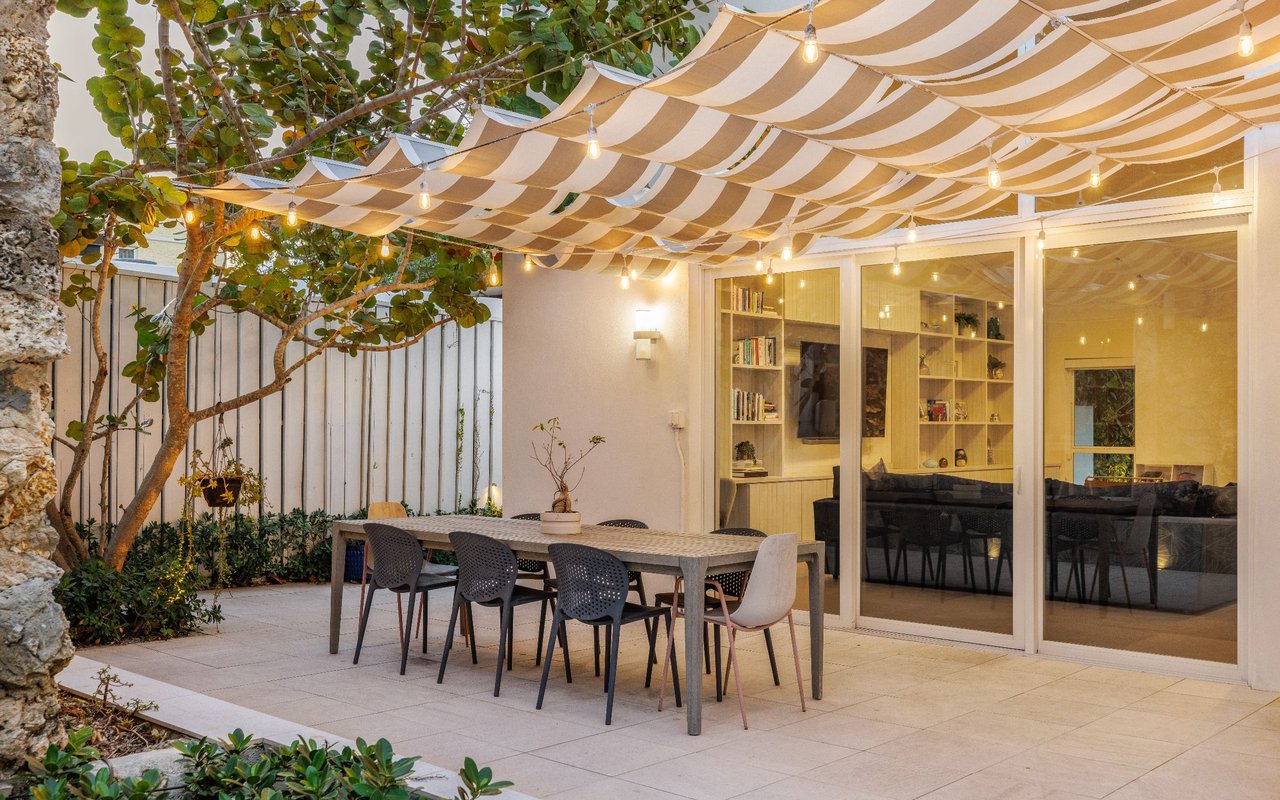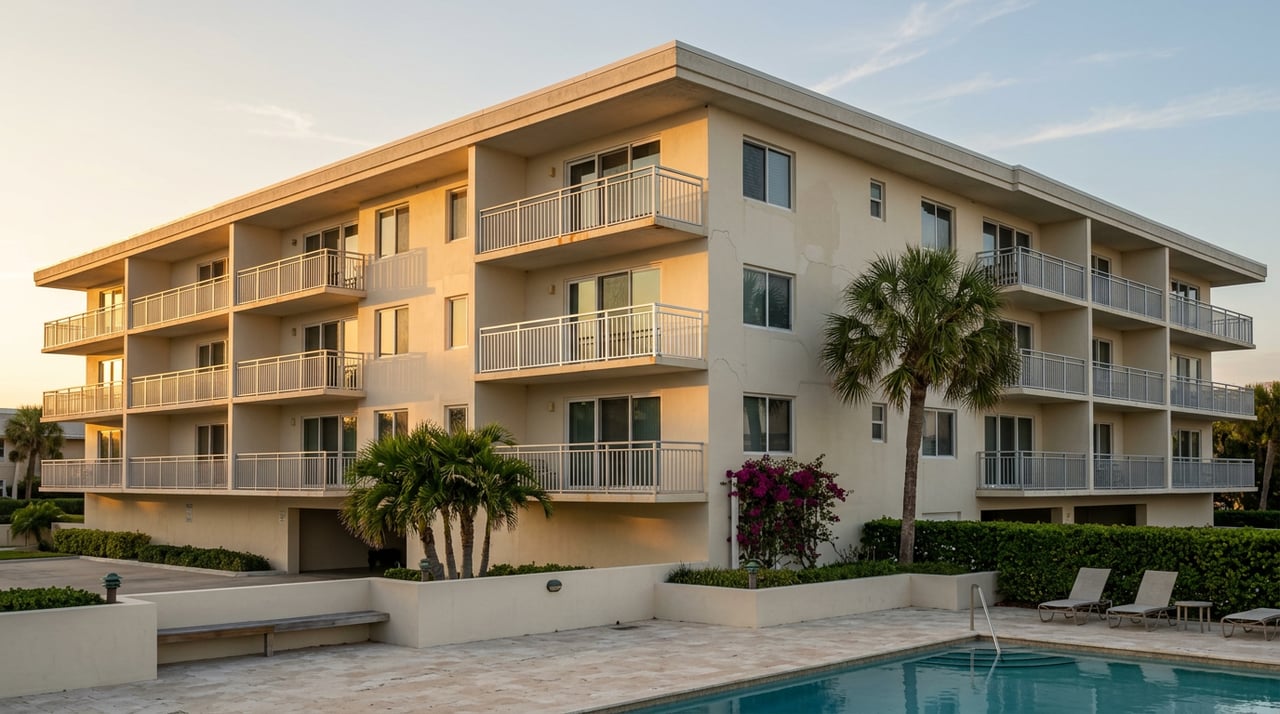
Ask two buyers what a $425,000 condo in Cocoa Beach costs and they'll give you the same figure. Ask what it actually costs to own for the next five years and the answers can be tens of thousands of dollars apart, sometimes more. The unit might be identical. The floor might be the same. The gap comes from something that never shows up in the listing photos: whether the building's reserve account is actually funded the way Florida law now requires.
That question used to be optional homework for a cautious buyer. As of 2026, it is closer to the whole ballgame.
What Changed in 2026
Florida's post-Surfside reforms have been rolling out in pieces since the Champlain Towers South collapse in 2021, and this is the year several of those pieces landed at once. The deadline for condo associations to complete a Structural Integrity Reserve Study, or SIRS, was pushed from 2024 to December 31, 2025 under a legislative fix known as HB 913. That deadline has now passed. Starting January 1, 2026, associations in buildings three stories or taller can no longer vote to waive or underfund the reserves that study identifies for structural items like roofs, load-bearing walls, and waterproofing. For years, boards kept dues low by skipping that funding. That option is gone.
Lenders moved next. Fannie Mae stopped accepting a workaround called Baseline Funding, which let associations keep just enough in reserves to avoid a zero balance rather than fully fund each component, starting August 3, 2026. A building that leaned on that method to keep its budget lean now has to explain to buyers and appraisers how it plans to close the gap.
Layer on a transparency rule that took effect the same window: associations with 25 or more units must now post governing documents, budgets, and reserve studies where owners and buyers can actually find them, a website or app requirement that took effect January 1, 2026. The state has been tightening its own side of that same picture since July 2025, when every condominium and cooperative association became required to maintain an online account with Florida's Division of Condominiums. Buyers who used to wait weeks for a board to produce records can now, in a well-run building, find them in an afternoon.
Three deadlines, one direction. The buildings that planned for this look like better deals than they did two years ago. The ones that didn't are quietly becoming more expensive than their sticker price suggests.
Why Cocoa Beach Hits the Clock Sooner
Florida's milestone inspection law sets the first mandatory structural inspection at 30 years of age for most buildings, but buildings within three miles of the coastline face a stricter 25-year trigger. Nearly every oceanfront and riverfront condo building in Cocoa Beach qualifies as coastal under that rule. A building that would have another five years of runway inland could already be due here.
That five-year difference matters because a real share of Cocoa Beach's oceanfront stock was built decades ago. Beach Winds, one of the city's oceanfront buildings, dates to 1978, which puts it and its construction-era neighbors squarely inside the age range where milestone inspections and SIRS obligations now concentrate.
Compare Buildings the Way a Local Would
Here's a shortcut worth more than any single spec sheet: buildings built by the same developer around the same time tend to share the same bones, the same concrete mix, the same exposure to salt air, and often the same list of deferred maintenance waiting to surface. Comparing a building only to its own listing history misses that. Comparing it to its construction siblings tells you what to expect before the inspection report does.
On the Space Coast, Windward East, Windrush, and Beach Winds came out of the same development era and share a comparable structural profile, which makes them useful benchmarks against each other. Jade Palm, Silver Palm, and Royal Palm, built by the same developer, form a similar cluster. If one building in a set carries dues noticeably lower than its siblings, that gap is rarely a bargain. It's usually a building that hasn't caught up yet.
A four-hundred-thousand-dollar condo with a fully funded reserve and a four-hundred-thousand-dollar condo with a pending assessment are not the same asset, even though the MLS lists them the same way.
What It Looks Like When a Building Gets It Right
Beach Winds, an oceanfront building dating to 1978, is a useful example of the other direction. Its concrete restoration work is scheduled to wrap in 2026, its reserves are described as fully funded rather than patched together after the fact, and a high share of its units have already converted to hurricane-rated windows and sliders, which insurers increasingly reward. Monthly maintenance runs around $858, which sounds steep next to a building charging $500, until you account for the fact that it includes water, sewer, cable, and trash, and comes without a surprise bill attached.
Recent listing activity around the city backs up how much this plays out unit by unit rather than building by building in some cases. A first-floor Windward East condo under $250,000 with a one-car garage recently came to market with its concrete restoration assessment already paid in full by the seller, meaning the buyer inherits none of that liability. Elsewhere, a different Cocoa Beach association currently has an open special assessment for mansard roof replacement across all three of its buildings, and whether the seller agrees to cover it is now a straightforward negotiating point rather than a footnote.
What It Looks Like When a Building Gets It Wrong
Cocoa Beach hasn't produced headline-making assessment numbers the way parts of Miami-Dade have, but the same state law applies everywhere, and those cases show what happens when a board waits too long. At Cricket Club, a 1975 bay-front building in North Miami, deferred maintenance surfaced through its milestone inspection and resulted in assessments around $134,000 per unit. At Mediterranean Village in Aventura, some owners were assessed as high as $400,000. At Palm Bay Yacht Club, a 235-unit, 27-story building, the total assessment reached $46 million, or up to $175,000 per unit in the worst cases.
None of that happened overnight, and none of it happened because of one bad inspection. It happened because reserves were waived, year after year, until state law closed that option and the bill came due all at once. Cocoa Beach's building stock is smaller and lower-rise than Miami's high-rise towers, so the scale of any local assessment would likely differ, but the mechanism that produces it is identical, and it is now active on every three-story-plus building on this coastline.
The Paperwork That Actually Protects You
Before writing an offer on a Cocoa Beach condo, request these directly from the seller or the association, not secondhand:
- The completed Structural Integrity Reserve Study and the milestone inspection report, if the building has reached the applicable age
- The current year's budget, and whether it reflects full SIRS funding or a plan to phase it in
- Board meeting minutes from the past 12 months, specifically any mention of a pending or discussed special assessment
- Confirmation of current windstorm and property insurance coverage, since a building with unresolved structural findings can see premiums spike or coverage lapse
- Whether the association is on Fannie Mae's list of buildings with lending restrictions
Florida law gives buyers a window, once they actually receive these association documents, to review them and back out without penalty if something doesn't add up. Make sure that window starts counting from the day you receive the paperwork, not the day you signed the contract. If a board can't produce current records within a day or two, especially now that associations with 25 or more units are required to post them online, treat that delay itself as information.
A Few Questions Buyers Ask at This Stage
Does every Cocoa Beach condo need a milestone inspection? Only buildings three stories or taller. Single-family homes, duplexes, and triplexes fall outside this law entirely.
What if the building hasn't completed its SIRS yet? The state's compliance deadline for a stand-alone SIRS was December 31, 2025. A building still working through it should have a clear, dated plan. If it doesn't, that's worth raising before you go under contract.
Can I still get a mortgage on a non-compliant building? It gets harder every quarter. Lenders are increasingly conditioning financing on proof of inspection and reserve compliance, and Fannie Mae's move away from Baseline Funding in August 2026 tightened that further for buildings that were leaning on it.
The list price on a Cocoa Beach condo has never told the whole story, but in 2026 the gap between the number on the listing and the number in the reserve study is wider than it has been in years. Knowing which side of that gap a building sits on is the difference between a good deal and a good-looking one.
If you're comparing condos on the Cocoa Beach coastline and want a second set of eyes on a building's reserve study before you write an offer, that's exactly the kind of local homework we do for buyers every week. Your Home in Brevard knows which buildings on this stretch of coast are ahead of the law and which ones are still catching up. Let's Connect before you sign anything.