A second home in Melbourne Beach can sound simple at first: find a beautiful coastal property, enjoy it when you can, and maybe rent it part of the year. In practice, this small barrier-island town has limited inventory, location-specific rules, and some important ownership details that can shape whether a property truly fits your goals. If you are thinking about a beach retreat, seasonal home, or part-time investment, this guide will help you understand what to look for before you buy. Let’s dive in.
Why Melbourne Beach stands out
Melbourne Beach is a very small town with 3,231 residents, 1,809 housing units, and about 1.0 square mile of land area. It is largely built out, which means there is limited room for future growth and a relatively tight supply of homes in desirable spots.
For second-home buyers, that matters. When inventory is limited and the town is already mostly developed, well-located properties can be especially hard to replace once they sell.
The setting also shapes the ownership experience. Melbourne Beach sits between the Atlantic Ocean and the Indian River Lagoon, so many buyers are drawn to the coastal lifestyle, water access, and quieter beachside feel.
What types of second homes you may find
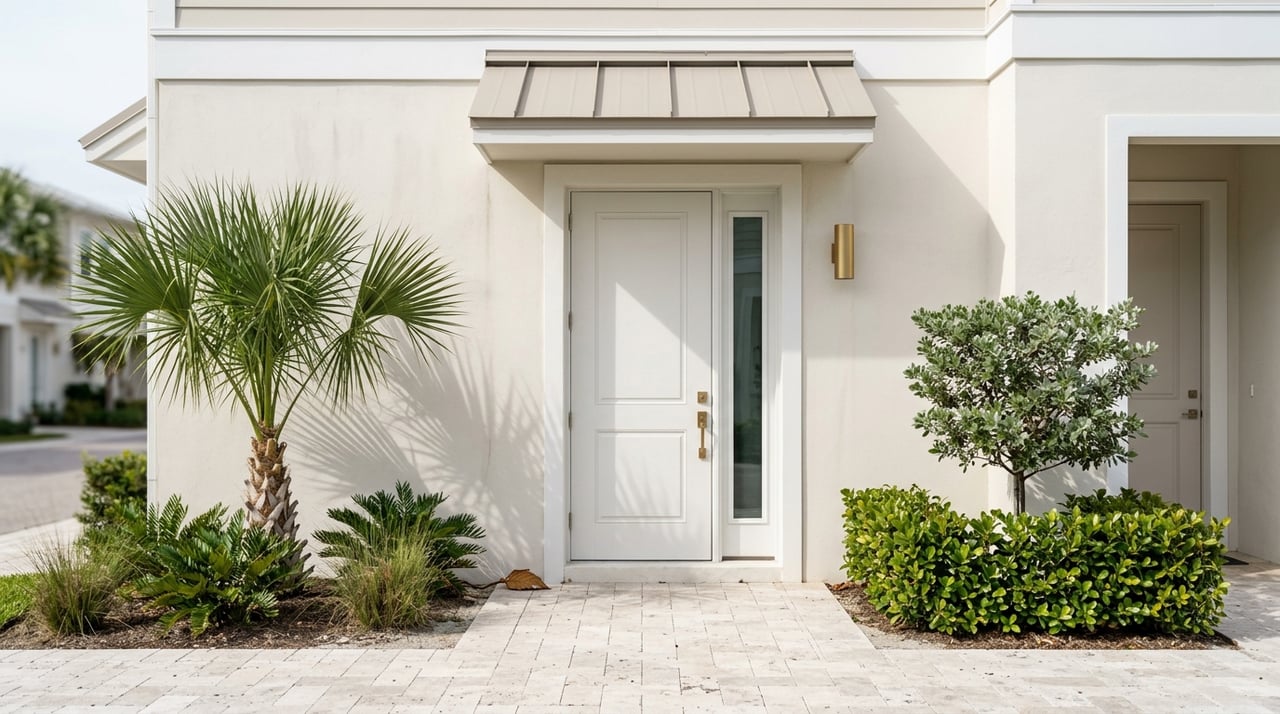
Melbourne Beach is not a one-style market. Depending on the zoning district, you may see detached beach houses, condos, duplexes, townhouses, and some mixed-use or more urban-style parcels.
Town zoning separates low-density single-family areas from medium-density multifamily areas and a mixed residential-business zone. That means your second-home options can vary quite a bit from one part of town to another, especially if you care about maintenance level, privacy, or rental flexibility.
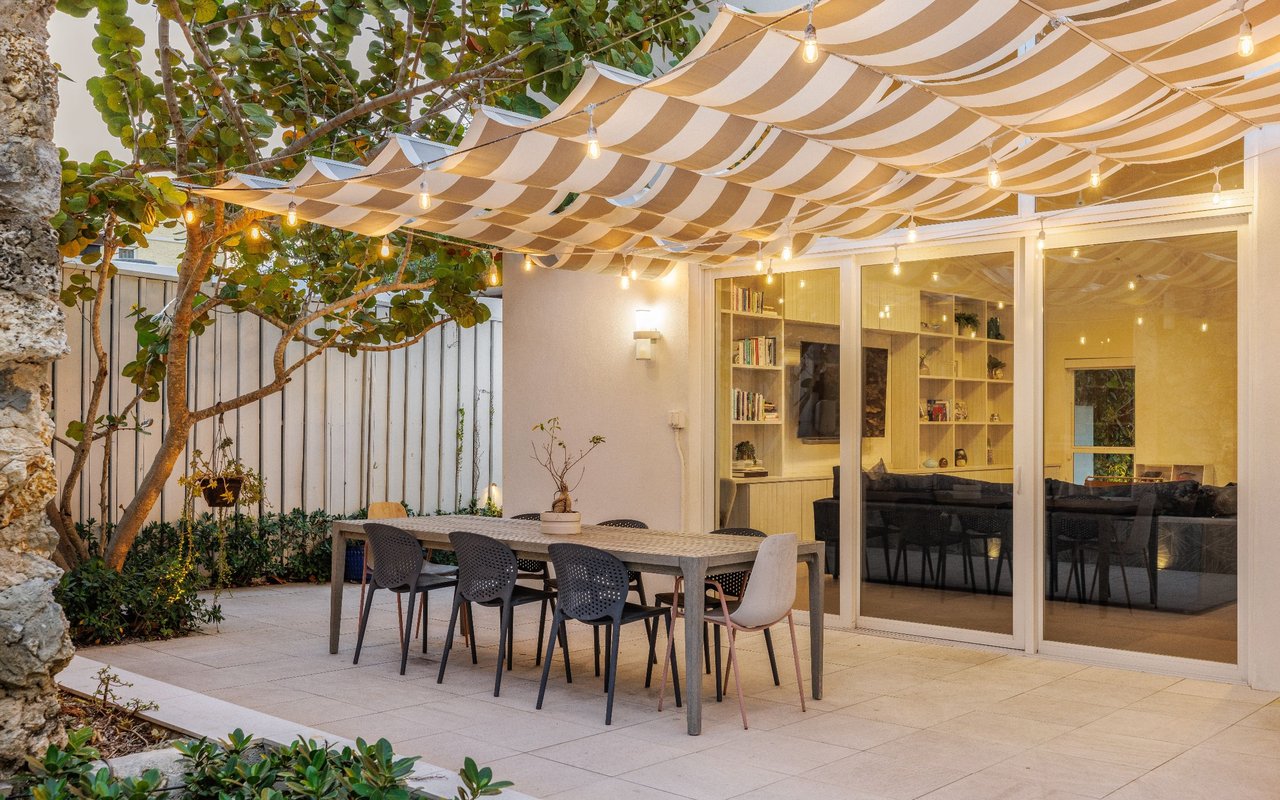
If your goal is easy lock-and-leave living, a condo or townhouse may catch your attention first. If you want more outdoor space, storage, or room for guests, a detached home may be a better fit.
Why zoning matters early
In Melbourne Beach, zoning is not a detail to check later. It can directly affect how you use the property, especially if you plan to rent it at certain times of the year.
The town’s guidance says buyers should check zoning first because some districts do not allow stays under 30 days. The town specifically notes that the 4-RM and 5-RMO districts do not allow rentals of less than 30 days.
That makes zoning one of the first questions to ask, not one of the last. A property that looks perfect for seasonal income may not support the rental pattern you had in mind.
HOA and condo documents are essential
If you are buying in a condo or HOA, the association paperwork is part of the real decision-making process. In Florida, condo governance is tied to the recorded declaration, articles of incorporation, and bylaws, while HOA records include documents such as the declaration, bylaws, rules, insurance policies, and contracts.
For a second-home buyer, those records can tell you far more than just the monthly fee. They can affect how often you rent, how guests use the property, what pets are allowed, where vehicles can park, and whether there is a history of special assessments.
Before you rely on a property as a seasonal escape or income-producing asset, review the full association packet carefully. It is one of the clearest ways to confirm whether the home fits your actual plan, not just your wish list.
Rental rules to know before you buy
If you plan to rent your second home, even occasionally, you need to understand both state definitions and town rules. Florida defines a transient public lodging establishment as a place rented more than three times in a calendar year for periods under 30 days, or advertised that way.
Melbourne Beach adds its own local layer. The current town code requires vacation-rental registration, and the application asks for proof of ownership, owner contact information, responsible-party contact information, and a DBPR transient public lodging license number if one exists.
Just as important, the town’s vacation-rental rules have been actively revisited in recent commission materials from late 2024 and early 2025. That means buyers should confirm the latest town requirements before making income assumptions.
Occupancy and parking limits
Operational rules can affect whether a home works well as a rental. Melbourne Beach currently limits occupancy to the lesser of two people per bedroom or 10 total occupants.
Parking is also tightly regulated. Guest vehicles must park in the driveway only, and parking is not allowed on the sidewalk, street, right-of-way, or grass.
The maximum collective number of automobiles, trucks, boats, motorcycles, and trailers is four. For buyers considering a second home for extended family visits or guest turnover, those limits deserve close attention.
Noise and local response requirements
The town also regulates day-to-day vacation-rental operations. Noise that is clearly audible in another residence with windows and doors closed is prohibited.
The owner or responsible party must also be available 24 hours a day, seven days a week, to respond to complaints and act quickly on life-safety, noise, and parking issues. If you live out of state, this requirement can be one of the biggest practical parts of ownership planning.
Safety and storm readiness are part of ownership
In a coastal barrier-island town, storm preparation is not optional background information. It is part of how you own and manage the property.
The Atlantic hurricane season runs from June 1 through November 30. Melbourne Beach has also noted that transient guests may be less familiar with local weather, evacuation plans, and safe exit routes, which adds another layer of responsibility for owners who rent their homes.
The town’s buyer handout points to several safety items to review before first use, including hardwired smoke detectors with battery backup, carbon monoxide detectors, emergency lights, fire extinguishers, minimum window sizes, and a landline phone. The current code page also references pool safety and battery-powered emergency lighting.
Flood and coastal due diligence
Because Melbourne Beach is coastal, flood diligence should be part of your early review. FEMA’s Flood Map Service Center is the official source for flood hazard information, and the town’s building department handles flood control, coastal construction, and coastal setback regulation.
For buyers, that means flood-zone questions should not wait until the last minute. Understanding the property’s flood context early can help you plan for ownership costs, future improvements, and overall comfort with the home.
This is especially important if you are comparing several homes that seem similar on the surface. Coastal location, building constraints, and site conditions can create meaningful differences from one property to the next.
Out-of-state buyers need a local plan
Many second-home buyers are purchasing from outside the area, and Melbourne Beach can work well for that. Florida allows remote online notarization in certain situations, including when the principal is outside the state, so it is worth asking your title company whether remote signing is available for your specific transaction.
Still, remote closing is only one part of the puzzle. Because Melbourne Beach has no local transit service and vehicle storage rules are strict, part-time owners should think through who will check on the home, manage guest use, and respond locally during storms or complaints.
A good second-home plan includes more than the purchase itself. It also includes realistic support after closing.
A smart second-home checklist
Before you move forward on a Melbourne Beach second home, make sure you can answer these questions clearly:
- What is the property’s zoning district?
- Does that zoning allow the rental period you want?
- Is the property in a condo or HOA?
- What do the declaration, bylaws, and rules say about rentals, pets, parking, and approvals?
- What registrations, inspections, or licenses are required before first use?
- How many legal parking spaces does the property actually have?
- Who will serve as the 24/7 responsible party if needed?
- Is the property in a flood zone?
- Can your signing and closing be handled remotely if you are out of state?
How to buy with more confidence
The best second-home purchases usually start with clear priorities. You may want low-maintenance ownership, future rental flexibility, room for visiting family, or simply a quiet place to enjoy the coast. In Melbourne Beach, those goals should be matched against zoning, association rules, parking realities, and storm-readiness needs from the beginning.
That is where local guidance can make a real difference. A home that looks ideal in photos may come with use restrictions or operating details that change the picture once you read the fine print.
If you want help sorting through second-home options in Melbourne Beach, from condos and townhomes to detached coastal homes, Cara Mattingly can help you compare properties, understand local considerations, and make a plan that fits how you actually want to use the home.
FAQs
What should second-home buyers check first in Melbourne Beach?
- Start with the property’s zoning district, because local rules can affect whether the rental timing you want is allowed.
Do all Melbourne Beach properties allow short-term rentals?
- No. The town says some districts do not allow stays under 30 days, and it specifically notes that 4-RM and 5-RMO do not allow rentals of less than 30 days.
What documents matter for a Melbourne Beach condo or HOA purchase?
- Review the declaration, bylaws, rules, insurance information, contracts, and related records so you understand rental rules, parking limits, pet policies, approvals, and any special assessment history.
What are the current Melbourne Beach vacation-rental occupancy and parking rules?
- The current code limits occupancy to the lesser of two people per bedroom or 10 total occupants, and guest vehicles must park in the driveway only, with a four-vehicle maximum across automobiles, trucks, boats, motorcycles, and trailers.
What does an out-of-state Melbourne Beach second-home owner need to plan for?
- You should plan for remote signing options, local property oversight, guest compliance, storm response, and a 24/7 responsible party if the property will be used as a vacation rental.
Why is flood and storm planning important for a Melbourne Beach second home?
- Melbourne Beach is a barrier-island town, so flood review, coastal building considerations, and hurricane-season planning are important parts of responsible ownership.