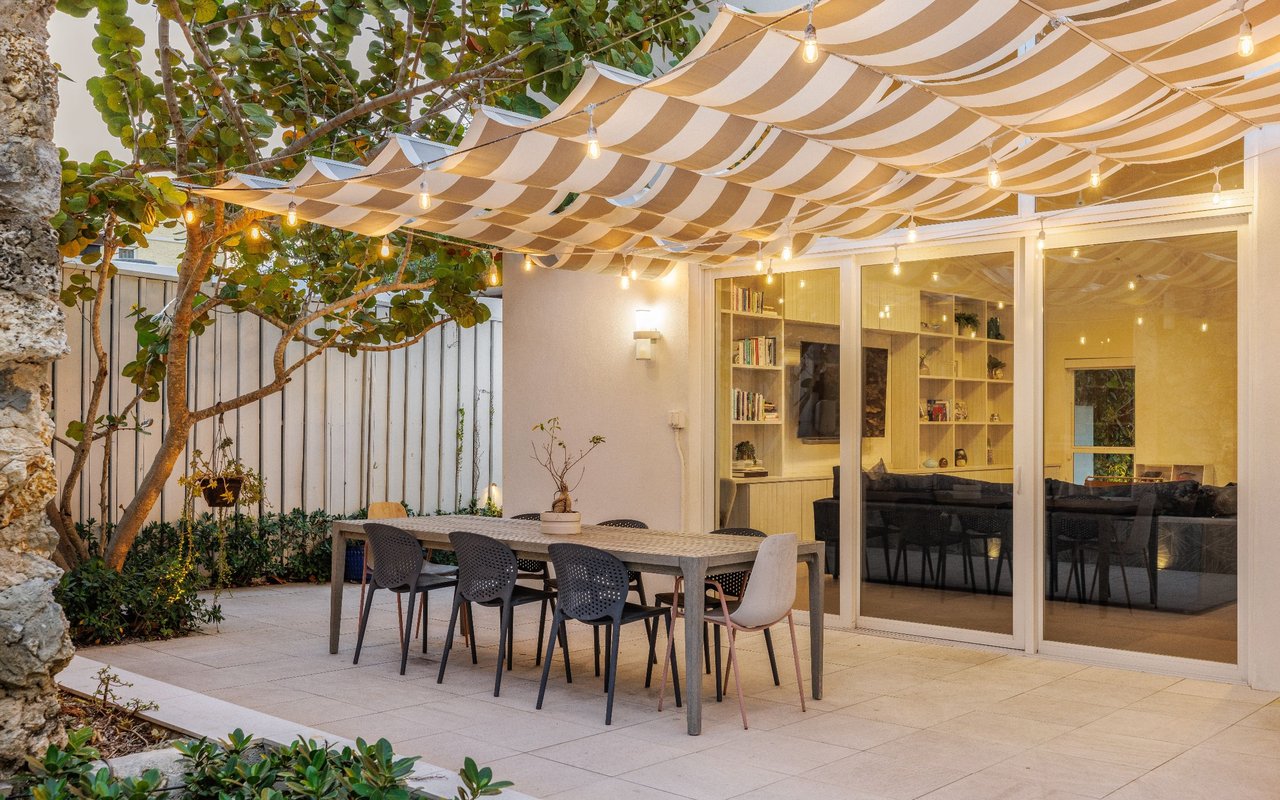
Ever wonder whether Melbourne feels more like a beach town, a practical everyday city, or a little of both? If you are thinking about moving here, that question matters because daily life is shaped by where you live, how you get around, and what kind of routine you want. This guide will help you picture what it really feels like to live in Melbourne, from outdoor habits to housing style to the pace of the city. Let’s dive in.
Melbourne Feels Lived-In
Melbourne is not just a place people visit for sunshine. It is a mid-sized city in southern Brevard County with 87,097 residents as of July 1, 2025, and it stretches from mainland neighborhoods to a barrier-island section across the Indian River Lagoon. That gives it a broader, more everyday feel than a purely vacation-focused coastal town.
It also feels established. The median age is 42.6, and 82.1% of residents lived in the same home one year earlier. In real life, that often translates to a community that feels steady, familiar, and less transient.
Daily Life Has an Outdoor Rhythm
One of the clearest things you notice about Melbourne is how naturally outdoor time fits into the week. The city maintains more than 232 acres of parkland across 42 parks, with amenities that include playgrounds, fishing piers, athletic fields, boat ramps, pavilions, golf courses, and community centers. That means outdoor recreation is part of normal life here, not just something you save for weekends.
Water is part of that rhythm too. Public spaces like Ballard Park and Riverview Park include boat-launch access, and the city has continued improving waterfront areas. Even small upgrades, like new public restrooms at Front Street Park and Ballard Park, show that these spaces are active parts of daily use.
Parks Shape the Lifestyle
Wickham Park is a major example of Melbourne’s active side. This 391-acre park includes trails, lakes, disc golf, dog parks, equestrian uses, and camping. It gives residents a place to spread out, move around, and enjoy a different pace without leaving the area.
Brevard Linear Park adds another layer to the outdoor experience. Its 3.1-mile paved-and-boardwalk trail offers benches and habitat views, which makes it ideal for a walk, jog, or easy afternoon reset. Together, these spaces help Melbourne feel outdoorsy year-round.
Melbourne Has Distinct Lifestyle Pockets
Living in Melbourne does not feel the same in every part of the city. Public sources describe historic downtowns, riverfront areas, and redevelopment districts with different identities and uses. That variety gives the city more personality than a one-note suburban layout.
Downtown Melbourne is one of the clearest social hubs. The city highlights its historic downtown areas for entertainment and unique retail, and years of public investment have supported streetscape updates and parking improvements. If you enjoy being near dining, events, and a more walkable district feel, this area may stand out.
EGAD Has a Creative, Local Feel
The Eau Gallie Arts District, often called EGAD, has its own personality. It is a Florida Main Street district focused on revitalization, with galleries, restaurants, shops, and events. For residents, that creates a more eclectic and arts-focused setting than you might expect from a typical coastal suburb.
Other parts of Melbourne feel more residential and routine-driven. In those areas, life is often organized around errands, neighborhood streets, and quick drives to the commercial corridors you use most. That mix is part of what makes Melbourne practical as well as appealing.
Getting Around Is Mostly About Driving
Melbourne is primarily a driving city. The mean commute is 22.8 minutes, which gives you a useful snapshot of the day-to-day pace. You are usually not dealing with a huge metro commute, but your route choices still matter.
Major roads shape how convenient a home feels. Brevard County describes Ellis Road as a commuter route linking I-95, Melbourne Orlando International Airport, and nearby aerospace employment centers. For many buyers, that means location is not just about the neighborhood itself, but also about how quickly you can reach the places you go most.
Transit Exists, But It Is a Supplement
Space Coast Area Transit operates fixed-route service across Brevard County. Within Melbourne city limits, riders with valid ID can use Routes 21, 24, and 29 for free. That can be helpful, but for most households, transit works as a support system rather than the center of daily transportation.
If you are moving from a highly walkable city, Melbourne may feel more spread out. If you are used to suburban driving with a few district-style pockets, it will likely feel familiar and manageable.
Housing Feels Established and Varied
Melbourne’s housing stock feels grounded rather than brand new across the board. The owner-occupied housing rate is 59.7%, the median owner-occupied home value is $306,400, median monthly mortgage costs are $1,689, and median gross rent is $1,525. Those numbers help frame Melbourne as an established residential market with a mix of ownership and rental options.
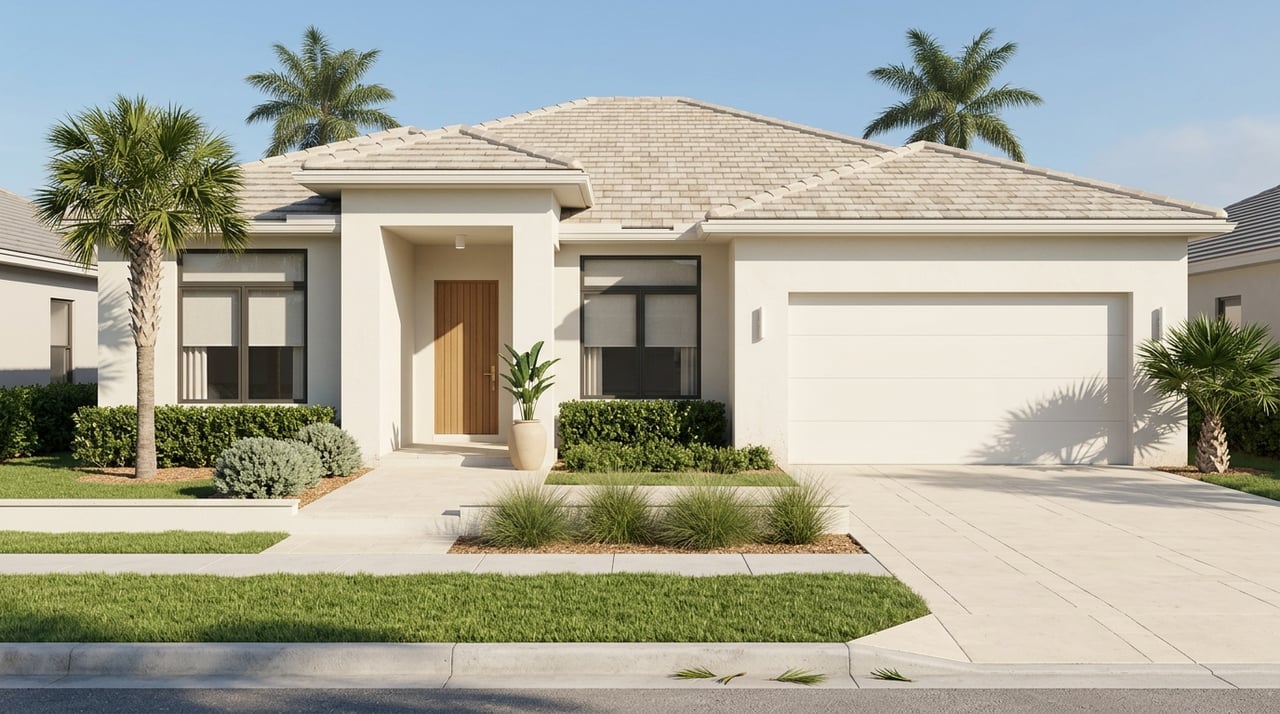
Single-unit homes are the dominant structure type citywide. That gives many parts of Melbourne a traditional neighborhood feel, with detached homes making up much of the landscape. For buyers, that often means a broader range of everyday residential choices rather than a city dominated by high-rise living.
Older Areas Add Character
Some east-side neighborhoods bring more historic character into the mix. In the Eau Gallie Historic District, the most common architectural styles include Frame Vernacular, Masonry Vernacular, and Ranch, with Minimal Traditional, Craftsman Bungalow, and Neo-Classical Revival also present. That variety adds visual texture and a stronger sense of place.
In simple terms, Melbourne offers both straightforward suburban housing and older Florida character. If you care about the feel of a home as much as the floor plan, that mix can be especially appealing.
Mainland or Barrier Island Matters
One of the biggest lifestyle questions in Melbourne is whether you want to live on the mainland or on the barrier-island side of the lagoon. That choice affects your daily drives, your proximity to water, and the kind of atmosphere you experience day to day. It is one of the first things out-of-area buyers should think through.
This is where local guidance becomes especially valuable. A home may look perfect online, but the real fit often comes down to how it connects to your routine, your preferred setting, and the roads you will use most often. That is a very real part of what living in Melbourne feels like.
Weather Is Part of the Decision
Florida weather is part of life in Melbourne, and it should be part of your housing decision too. The city states that hurricane season runs from June 1 through November 30. Residents in barrier-island, low-lying, or manufactured-home settings may need to follow evacuation notices during strong storms.
Flood risk can come from storm surge, river flooding, or heavy rainfall. The city also notes that summer often brings frequent afternoon thunderstorms. None of this means Melbourne is not a great place to live, but it does mean resiliency, preparation, and property location matter.
What Buyers Should Think About First
If you are considering a move, keep these practical questions in mind:
- Is the home on the mainland or barrier-island side?
- How close is it to the roads and destinations you will use often?
- What flood considerations apply to the property’s location?
- Would hurricane planning affect your comfort with the home?
- Does the surrounding area match the lifestyle you want every day?
These are not small details. In Melbourne, they shape how relaxed, convenient, and enjoyable your day-to-day life will feel.
So, What Does Melbourne Feel Like?
Melbourne feels like a real coastal city where everyday life comes first. You get water access, parks, historic districts, and local dining pockets, but you also get routines built around commuting, errands, and choosing the right part of town for how you actually live. It is active, established, and practical, with a lifestyle that can feel more grounded than purely resort-like.
For some people, that is exactly the draw. You can enjoy the Florida coast while still living in a place with stable neighborhoods, distinct districts, and a strong sense of daily function. If you want a city that blends outdoor living with real-world convenience, Melbourne has a lot to offer.
If you are thinking about buying or selling in Melbourne, working with a local team who understands both lifestyle fit and property presentation can make the process feel much clearer. Connect with Cara Mattingly for thoughtful guidance tailored to your move.
FAQs
What does daily life in Melbourne, Florida feel like?
- Daily life in Melbourne usually feels active, practical, and coastal, with outdoor recreation, driving-based routines, and a mix of residential neighborhoods and social districts.
Is Melbourne, Florida more like a beach town or a city?
- Melbourne feels like a blend of both, with coastal access and waterfront spaces alongside a steady residential base, commuting patterns, and everyday city services.
Is Melbourne, Florida walkable for residents?
- Melbourne is walkable in certain pockets like Downtown Melbourne and EGAD, but most of the city functions more like a car-oriented area with transit as a supplement.
What kinds of homes are common in Melbourne, Florida?
- Melbourne is mostly made up of single-unit homes, with some older areas showing historic Florida styles like ranch, bungalow, and vernacular architecture.
What should out-of-area buyers know about living in Melbourne, Florida?
- Out-of-area buyers should think carefully about mainland versus barrier-island location, road access, flood considerations, hurricane planning, and how each area fits their daily routine.
How important is weather planning when living in Melbourne, Florida?
- Weather planning is important because hurricane season runs from June 1 through November 30, and some properties may be more affected by evacuation guidance, flooding, or summer storms.